

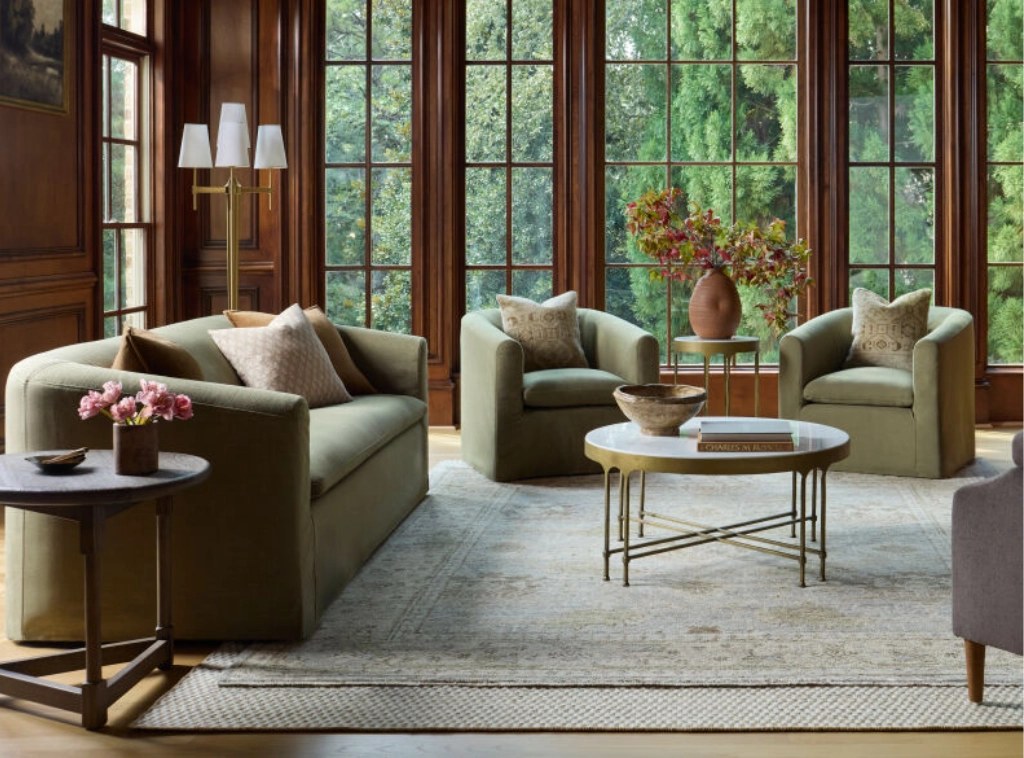
Designing a home in the Hamptons requires a delicate balance of coastal elegance, refined comfort, and practical durability. Whether furnishing a sprawling summer estate in East Hampton, NY, or updating a cozy coastal cottage in Southampton, NY, custom area rugs serve as the foundational element that anchors every room. An area rug does far more than cover a bare floor; it defines distinct living zones in open-concept layouts, adds crucial acoustic insulation against high ceilings, introduces rich tactile textures, and protects underlying hardwood from sand and sunlight. Selecting the ideal rug involves evaluating natural versus synthetic fibers, determining proper scale and proportion, and pairing rug styles seamlessly with your existing flooring. In this guide, we explore how homeowners across Long Island can curate custom area rugs that elevate their interior design while standing up to the unique demands of coastal living.
Choosing the Right Rug Materials for Coastal Climates
Living near the shoreline in towns like Montauk, NY, and Westhampton, NY, means dealing with humidity, salt air, and fine sand tracked in from nearby beaches. Choosing rug materials that withstand these environmental factors without sacrificing luxury underfoot is essential.
Natural Fiber Rugs: Wool, Jute, and Sisal
Natural fibers remain a staple in Hamptons interior aesthetics due to their organic textures and timeless appeal. Wool is widely considered the gold standard for area rugs because of its natural stain resistance, exceptional durability, and inherent softness. Wool fibers possess a natural elasticity that resists crushing under heavy furniture, making them ideal for high-traffic living rooms and dining areas.
For a more casual, beach-inspired look, natural plant fibers like jute, sisal, and seagrass offer textured warmth and earthy tones. Jute provides a soft, chunky feel underfoot, making it perfect for bedrooms and sitting areas. Sisal offers higher durability for hallways and entryways, though it benefits from placement in dry areas away from direct liquid exposure.
Synthetic and Performance Rugs for High-Traffic Zones
For homes with active families, pets, or frequent summer guests, high-performance synthetic rugs constructed from polypropylene or solution-dyed acrylic offer incredible soil and moisture resistance. Modern performance materials replicate the soft hand-feel of natural wool while allowing for effortless cleaning. These materials resist fading caused by direct sunlight streaming through large seaside windows, ensuring vibrant colors remain intact year after year.
Understanding how to layer custom area rugs over hardwood or tile is an art form. To learn more about our company's heritage and commitment to expert flooring solutions across Long Island, visit We'll Floor "U" About Us, where our experience guides homeowners toward perfect interior pairings.
Rug Sizing and Room Placement Principles
A common design mistake is selecting an area rug that is too small for the space, which can make a grand room feel fragmented. In living areas, aim to place at least the front legs of all major seating pieces—sofas and armchairs—onto the rug. In dining rooms, the rug should extend at least 24 inches beyond all sides of the dining table so chairs remain on the rug even when pulled out.
Transform Your Interiors with Custom Rugs Today
Finding the perfect custom area rug to complement your home's unique layout and aesthetic requires expert guidance and access to premium flooring samples. Whether you reside in Hampton Bays, NY, or nearby Riverhead, NY, our design team is ready to help you select, measure, and install the perfect floor covering. Visit our full We'll Floor "U" Location details to explore our showroom, browse material samples, or arrange a personalized in-home consultation today!


